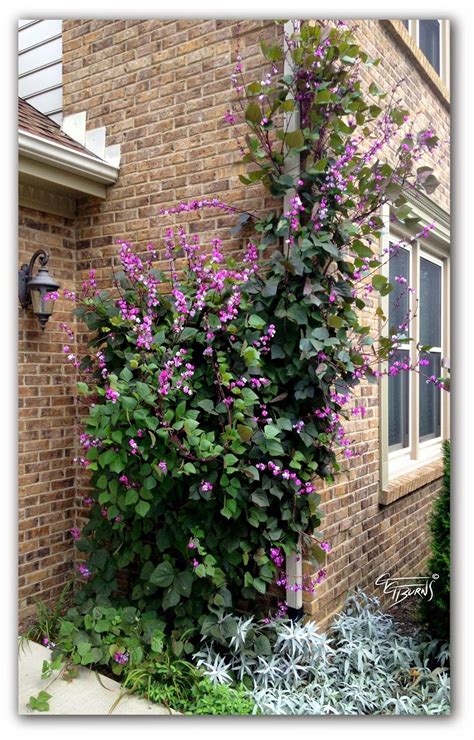
Perennial Sweet Pea Vine: The Beautiful Climbing Plant
<main>
<section>
<h2>Perennial Sweet Pea Vine: </h2>
<p>Gardening enthusiasts are always on the lookout for beautiful and unique plants that they can add to their gardens. One such plant is the Perennial Sweet Pea Vine, which is known for its delicate flowers and climbing abilities. This beautiful plant is a great addition to any garden, and it can add a touch of elegance and beauty to any space.</p>
<p>In this blog post, we will explore everything there is to know about the Perennial Sweet Pea Vine, from its history and origin to its growing requirements and maintenance tips. So, let's get ed!</p>
</section>
<section>
<h2>History and Origin</h2>
<h3>Where did it come from?</h3>
<p>The Perennial Sweet Pea Vine (Lathyrus latifolius) is native to southern Europe, but it has been cultivated in gardens around the world for centuries. It was first introduced to North America in the 1800s and quickly became a popular garden plant due to its beautiful flowers and ease of cultivation.</p>
<h3>What is its significance?</h3>
<p>The Perennial Sweet Pea Vine has long been used for ornamental purposes, and it has also been used for medicinal purposes in some cultures. In ancient Greece, the plant was used to treat respiratory problems, while in China, it was used to treat skin conditions.</p>
</section>
<section>
<h2>Growing Requirements</h2>
<h3>Soil and Sunlight</h3>
<p>The Perennial Sweet Pea Vine thrives in well-drained soil that is rich in organic matter. It prefers full sun but can also tolerate partial shade. If you live in a hot climate, it's best to plant the vine in an area with afternoon shade to prevent the leaves from scorching.</p>
<h3>Watering and Fertilizing</h3>
<p>The Perennial Sweet Pea Vine needs regular watering, especially during dry spells. However, be careful not to overwater the plant, as this can lead to root rot. Fertilize the plant once a month during the growing season with a balanced fertilizer.</p>
<h3>Propagation</h3>
<p>The Perennial Sweet Pea Vine can be propagated by seed, cuttings, or division. Seeds should be sown in the fall or early spring, while cuttings can be taken in the summer. Division should be in the spring or fall, and it's best to divide the plant every few years to prevent overcrowding.</p>
</section>
<section>
<h2>Maintenance and Care</h2>
<h3>Pruning</h3>
<p>The Perennial Sweet Pea Vine doesn't require much pruning, but you should remove any dead or diseased wood as soon as you notice it. You can also lightly prune the plant after it has finished flowering to encourage new growth and prevent the plant from becoming too leggy.</p>
<h3>Trellising</h3>
<p>The Perennial Sweet Pea Vine is a climbing plant, and it needs support to grow properly. You can trellis the plant using a fence or a stake, or you can let it climb up a nearby tree or shrub. Just make sure that the support is sturdy enough to hold the weight of the plant.</p>
<h3>Pest and Disease Control</h3>
<p>The Perennial Sweet Pea Vine is generally resistant to pests and diseases, but it can be susceptible to powdery mildew and aphids. To prevent these problems, make sure that the plant has good air circulation and that the soil is well-drained. If you do notice any pests or diseases, treat them promptly with an organic insecticide or fungicide.</p>
</section>
<section>
<h2>Flowers and Colors</h2>
<h3>What do they look like?</h3>
<p>The flowers of the Perennial Sweet Pea Vine are delicate and beautiful, and they come in a range of colors, including pink, purple, white, and red. The flowers are borne on long stems, and they have a sweet fragrance that attracts bees and other pollinators to the garden.</p>
<h3>When do they bloom?</h3>
<p>The Perennial Sweet Pea Vine blooms from early summer to mid-fall, and it produces flowers continuously throughout this time. With proper care and maintenance, the plant can produce a profusion of flowers that will add color and beauty to your garden all season long.</p>
</section>
<section>
<h2>Uses and Benefits</h2>
<h3>Ornamental Uses</h3>
<p>The Perennial Sweet Pea Vine is primarily used for ornamental purposes, and it's a great addition to any garden or landscape. It can be grown on fences, trellises, or walls, and it can also be used to cover unsightly areas of the garden.</p>
<h3>Medicinal Uses</h3>
<p>The Perennial Sweet Pea Vine has been used for medicinal purposes in some cultures. In traditional Chinese medicine, the plant is used to treat skin conditions, while in ancient Greece, it was used to treat respiratory problems.</p>
</section>
<section>
<h2>Companion Plants</h2>
<h3>What plants pair well with Perennial Sweet Pea Vine?</h3>
<p>The Perennial Sweet Pea Vine pairs well with a variety of plants, including roses, clematis, and other climbing vines. It's also a great companion for shrubs and small trees, as it can climb up their trunks and add vertical interest to the garden.</p>
</section>
<section>
<h2>Landscaping Ideas</h2>
<h3>Where can you use Perennial Sweet Pea Vine in your garden?</h3>
<p>The Perennial Sweet Pea Vine can be used in a variety of garden settings, from cottage gardens to formal landscapes. Here are a few ideas:</p>
<ul>
<li>Grow it on a trellis or fence to add height to your garden.</li>
<li>Plant it at the base of a small tree or shrub to create a beautiful vertical display.</li>
<li>Use it to cover unsightly areas of the garden, such as an old shed or fence.</li>
<li>Grow it along a wall or building to soften the hard lines and add a touch of beauty.</li>
</ul>
</section>
<section>
<h2>Popular Varieties</h2>
<h3>What are some popular varieties of Perennial Sweet Pea Vine?</h3>
<p>There are many different varieties of Perennial Sweet Pea Vine, each with its own unique characteristics. Here are a few popular varieties:</p>
<table>
<thead>
<tr>
<th>Variety Name</th>
<th>Flower Color</th>
<th>Growth Habit</th>
</tr>
</thead>
<tbody>
<tr>
<td>Pink Pearl</td>
<td>Pink</td>
<td>Clumping</td>
</tr>
<tr>
<td>Red Pearl</td>
<td>Red</td>
<td>Clumping</td>
</tr>
<tr>
<td>White Pearl</td>
<td>White</td>
<td>Clumping</td>
</tr>
<tr>
<td>Alba</td>
<td>White</td>
<td>Spreading</td>
</tr>
</tbody>
</table>
</section>
<section>
<h2>FAQs</h2>
<h3>1. Is Perennial Sweet Pea Vine easy to grow?</h3>
<p>Yes, Perennial Sweet Pea Vine is relatively easy to grow and maintain, as long as you provide it with the proper growing conditions.</p>
<h3>2. Does Perennial Sweet Pea Vine require a lot of water?</h3>
<p>Perennial Sweet Pea Vine needs regular watering, especially during dry spells. However, be careful not to overwater the plant, as this can lead to root rot.</p>
<h3>3. Can Perennial Sweet Pea Vine grow in shade?</h3>
<p>Perennial Sweet Pea Vine prefers full sun but can also tolerate partial shade. If you live in a hot climate, it's best to plant the vine in an area with afternoon shade to prevent the leaves from scorching.</p>
<h3>4. How often should I fertilize my Perennial Sweet Pea Vine?</h3>
<p>You should fertilize your Perennial Sweet Pea Vine once a month during the growing season with a balanced fertilizer.</p>
<h3>5. When is the best time to prune Perennial Sweet Pea Vine?</h3>
<p>You can lightly prune your Perennial Sweet Pea Vine after it has finished flowering to encourage new growth and prevent the plant from becoming too leggy.</p>
</section>
</main>
<footer>
<p>Copyright © 2023 by ChatGPT</p>
</footer>
Post a Comment for "Perennial Sweet Pea Vine: The Beautiful Climbing Plant"